
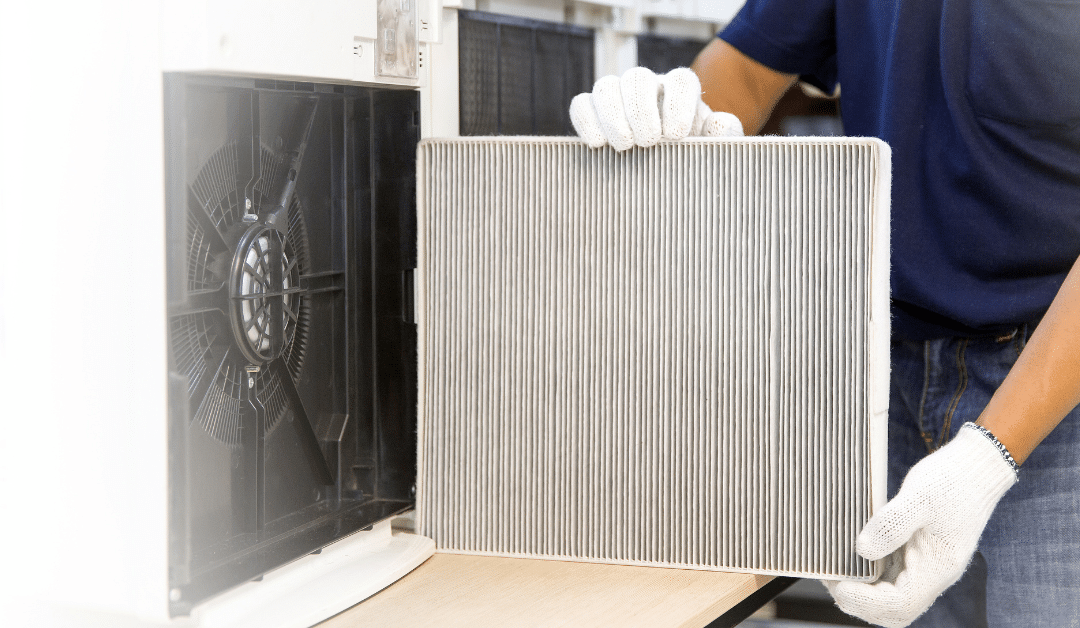
Choosing the right air filter is one of the simplest yet most important decisions homeowners can make for their heating and cooling system. While filters may seem like a small component, they play a major role in system performance, indoor air quality, and long-term efficiency. With so many options available, understanding the differences between HVAC air filters can help you select the best fit for your home.
Air filters are designed to capture dust, debris, and airborne particles before they circulate through your living space. The right filter improves comfort, protects HVAC equipment, and supports healthier indoor air. The wrong filter, however, can restrict airflow or fail to capture contaminants effectively.
Why HVAC Air Filters Matter
HVAC systems rely on consistent airflow to function properly. Filters act as the first line of defense by trapping particles that would otherwise enter the system. Without proper filtration, dirt and debris can accumulate on coils, fans, and other components, reducing efficiency and increasing the risk of breakdowns.
High-quality HVAC air filters not only protect your equipment but also improve indoor air quality. They help reduce allergens, dust, and pollutants, creating a cleaner and more comfortable environment.
Selecting the right filter ensures your system operates efficiently while maintaining healthy air throughout your home.
Understanding MERV Ratings
Before choosing between different HVAC air filters, it is important to understand MERV ratings. MERV stands for Minimum Efficiency Reporting Value, and it measures how effectively a filter captures particles of various sizes.
Lower MERV ratings capture larger particles such as dust and lint, while higher ratings trap smaller particles like pollen, mold spores, and bacteria. Most residential systems work best with filters in the MERV 8 to MERV 13 range.
Choosing a filter with too high of a rating for your system can restrict airflow. That is why it is important to balance filtration efficiency with system compatibility.
Fiberglass Air Filters
Fiberglass filters are one of the most basic types of HVAC air filters available. They are typically inexpensive and disposable, making them a popular choice for homeowners on a budget.
These filters are designed to capture larger particles such as dust and lint. However, they do not provide the same level of filtration as higher-quality options. While they offer minimal resistance to airflow, their limited filtration capability means they are less effective at improving indoor air quality.
Fiberglass filters are best suited for homeowners primarily looking to protect their HVAC equipment rather than enhance air cleanliness.
Pleated Air Filters
Pleated filters are one of the most common and widely recommended HVAC air filters for residential use. They are made from folded material that increases the surface area available for capturing particles.
The increased surface area allows pleated filters to trap more contaminants while maintaining proper airflow. These filters are effective at capturing dust, pollen, pet dander, and other common airborne particles.
Pleated filters are available in a range of MERV ratings, making them a versatile option for many homes. They strike a strong balance between filtration performance and airflow efficiency.
HEPA Filters
High Efficiency Particulate Air filters, commonly known as HEPA filters, provide one of the highest levels of filtration available. These HVAC air filters are capable of capturing extremely small particles, including bacteria and some viruses.
HEPA filters are often used in medical facilities or homes where air quality is a top priority. However, they are not always compatible with standard residential HVAC systems because they can significantly restrict airflow.
In some cases, additional system modifications are required to support HEPA filtration. Homeowners considering this option should consult with a professional to ensure proper compatibility.
Washable and Reusable Filters
Washable filters offer an environmentally friendly alternative to disposable HVAC air filters. These filters can be cleaned and reused, reducing waste and ongoing replacement costs.
While reusable filters may seem convenient, they often require regular cleaning to maintain effectiveness. If not cleaned properly or frequently enough, they can become less efficient and restrict airflow.
Washable filters are best for homeowners who are committed to consistent maintenance and want to reduce their environmental impact.
Electrostatic Filters
Electrostatic filters use an electrical charge to attract and capture airborne particles. These HVAC air filters are available in both disposable and reusable forms.
The electrostatic charge helps trap smaller particles more effectively than basic filters. This makes them a good option for improving indoor air quality while maintaining airflow.
These filters can be particularly useful in homes with pets or allergies, as they capture a wide range of airborne contaminants.
Media Filters
Media filters are a step up from standard pleated filters and offer enhanced filtration without significantly restricting airflow. These HVAC air filters are typically installed in a dedicated housing within the HVAC system.
Because of their larger size and increased surface area, media filters can last longer than standard filters while capturing more particles. They are an excellent option for homeowners seeking improved air quality with minimal maintenance.
Media filters often require professional installation but provide long-term benefits in both performance and convenience.
Factors to Consider When Choosing a Filter
Selecting the right filter depends on several factors unique to your home and HVAC system. Consider the following when evaluating HVAC air filters:
- System compatibility and airflow requirements
- Indoor air quality concerns such as allergies or pets
- Maintenance preferences and replacement frequency
- Budget for initial purchase and ongoing replacements
Balancing these factors ensures that your filter supports both system performance and household comfort.
How Filter Choice Affects HVAC Performance
The type of filter you choose has a direct impact on how your system operates. High-efficiency HVAC air filters capture more particles but may restrict airflow if not properly matched to the system.
Restricted airflow forces the system to work harder, which can lead to higher energy bills and increased wear on components. On the other hand, low-quality filters may allow debris to accumulate inside the system, reducing efficiency over time.
Choosing the right filter helps maintain a balance between airflow and filtration, ensuring optimal performance.
Maintenance and Replacement Tips
Regardless of the type you choose, regular maintenance is essential for keeping HVAC air filters functioning properly. Most filters should be checked monthly and replaced or cleaned as needed.
Homes with pets, high dust levels, or allergy concerns may require more frequent filter changes. Neglecting filter maintenance can lead to reduced airflow, poor air quality, and increased strain on the system.
Consistent filter care helps extend the life of your HVAC system and maintain reliable performance.
When to Seek Professional Guidance
With so many options available, selecting the best filter can feel overwhelming. A professional HVAC technician can evaluate your system and recommend HVAC air filters that match your specific needs.
Professional guidance ensures that your filter choice supports both efficiency and indoor air quality without causing unnecessary strain on your equipment.
Maintaining a Comfortable Home
Understanding the different types of HVAC air filters is essential for maintaining a comfortable and efficient home. From basic fiberglass options to advanced media and electrostatic filters, each type offers unique benefits depending on your priorities.
The right filter protects your system, improves indoor air quality, and supports long-term performance. By considering factors such as airflow, filtration needs, and maintenance preferences, homeowners can make informed decisions that enhance comfort and efficiency.
Taking the time to choose the right filter is a small step that delivers lasting benefits for your home and your HVAC system.
Stay up to date with the latest at M&M Mechanical by liking us on Facebook.