
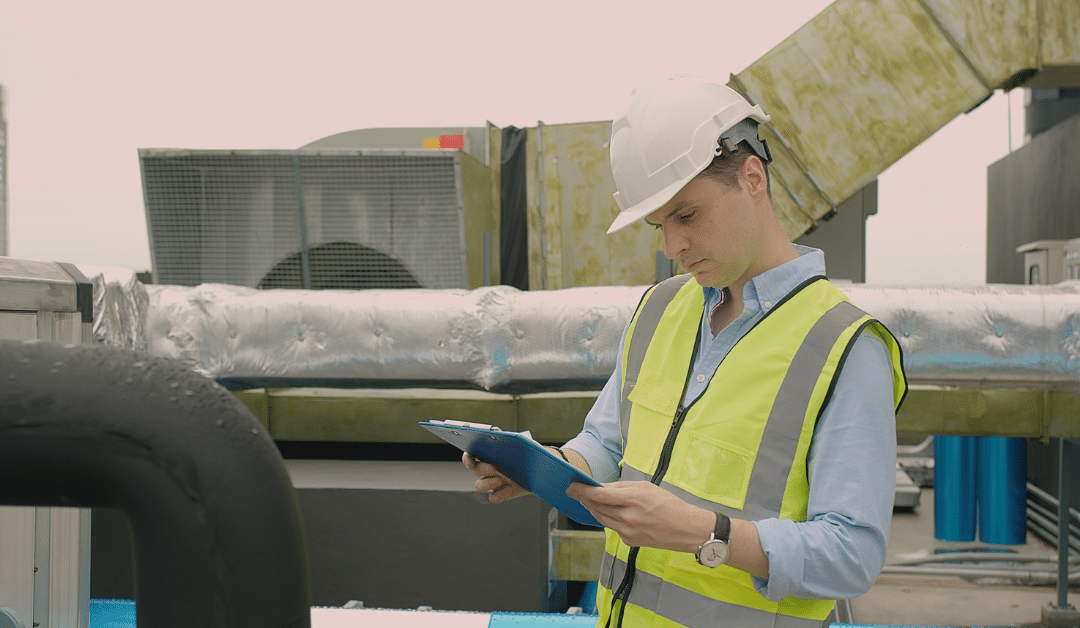
When summer temperatures arrive, your air conditioning system becomes one of the most important pieces of equipment in your home. During periods of extreme heat, your HVAC system often runs for hours at a time to maintain a comfortable indoor environment. If your equipment is not properly prepared for the increased workload, small issues can quickly become costly repairs or complete system failures.
A professional HVAC inspection before or during the summer season helps ensure your system is operating efficiently, safely, and reliably. Regular inspections can identify worn components, airflow restrictions, and performance issues before they leave you without cooling on a hot day.
Whether you schedule professional service or want to understand what technicians look for during an inspection, this checklist can help you stay ahead of potential problems and keep your home comfortable all summer long.
Why Summer HVAC Inspections Matter
Many homeowners wait until something stops working before calling for service. While that approach may seem convenient, it often results in higher repair costs and increased discomfort.
Summer places significant stress on cooling equipment. Air conditioners work harder and longer than they do during mild weather, which means existing problems can worsen quickly.
A routine HVAC inspection allows technicians to identify minor issues before they become major failures. It also helps improve efficiency, lower energy consumption, and extend equipment lifespan.
Most importantly, inspections provide peace of mind knowing your system is ready for peak cooling season.
Check and Replace Air Filters
One of the simplest but most important steps in any HVAC inspection is evaluating the condition of the air filter.
Air filters trap dust, pollen, pet dander, and other airborne particles before they enter the HVAC system. Over time, these contaminants accumulate and restrict airflow.
When airflow becomes restricted, your system must work harder to circulate conditioned air throughout the home. This increases energy consumption and places additional stress on critical components.
Signs that a filter may need replacement include:
- Visible dust buildup
- Reduced airflow from vents
- Increased energy bills
- Excess dust throughout the home
Most homeowners should replace filters every one to three months, though homes with pets or allergy concerns may require more frequent changes.
Inspect Thermostat Operation
Your thermostat serves as the command center of your cooling system. If it is not functioning properly, your HVAC equipment may struggle to maintain comfort even if everything else is working correctly.
During an HVAC inspection, technicians verify that the thermostat is reading temperatures accurately and communicating properly with the system.
They may also evaluate thermostat placement. Devices located near windows, appliances, or direct sunlight can provide inaccurate readings that affect system performance.
Modern programmable and smart thermostats can improve efficiency by automatically adjusting temperatures throughout the day. If your thermostat is outdated, an inspection is a great opportunity to discuss upgrade options.
Evaluate Airflow Throughout the Home
Proper airflow is essential for efficient cooling. Even if your air conditioner is producing cold air, poor airflow can prevent that cool air from reaching the rooms that need it.
During an HVAC inspection, airflow is evaluated throughout the home to identify potential issues.
Common airflow problems include:
- Blocked vents
- Dirty filters
- Duct leaks
- Blower motor issues
- Obstructed return vents
Uneven temperatures between rooms often indicate airflow concerns that should be addressed before summer temperatures reach their peak.
Inspect the Outdoor Condenser Unit
The outdoor condenser unit plays a critical role in the cooling process by releasing heat that has been removed from the home.
Because the condenser is exposed to the elements year-round, it is susceptible to dirt, debris, and vegetation growth.
A thorough hvac inspection includes examining the outdoor unit for:
- Leaves and branches
- Grass clippings
- Dirt buildup
- Bent fins
- Obstructed airflow
Homeowners should maintain at least two feet of clearance around the condenser whenever possible. Keeping the area clean helps improve efficiency and prevents unnecessary strain on the equipment.
Examine Refrigerant Levels
Refrigerant is essential for cooling performance. If levels become too low, your system may struggle to maintain comfortable temperatures.
Low refrigerant levels often indicate a leak somewhere within the system. Unlike fuel, refrigerant should not simply disappear during normal operation.
During an HVAC inspection, technicians measure refrigerant pressure and evaluate overall system performance.
Signs of refrigerant issues include:
- Warm air from vents
- Longer cooling cycles
- Ice formation on refrigerant lines
- Reduced cooling capacity
Addressing refrigerant problems early helps prevent compressor damage and more expensive repairs.
Inspect Electrical Components
HVAC systems rely on numerous electrical connections, capacitors, relays, and circuit boards. These components experience wear over time and can eventually fail.
Electrical inspections are a key part of any HVAC inspection because many cooling failures originate from electrical issues.
Technicians commonly check:
- Wiring connections
- Capacitors
- Contactors
- Voltage readings
- Electrical safety controls
Identifying worn electrical components before they fail helps reduce the risk of unexpected breakdowns during periods of heavy use.
Check Drain Lines and Condensate Systems
Air conditioners remove humidity from indoor air as part of the cooling process. This moisture is collected and directed away from the system through drain lines.
Over time, algae, dirt, and debris can clog these drain lines, leading to water backups and potential damage.
A professional HVAC inspection includes checking condensate drains and ensuring proper drainage.
Clogged drains can cause:
- Water leaks
- Increased humidity
- Mold growth
- System shutdowns
Keeping drainage components clean helps protect both the HVAC system and the surrounding area.
Listen for Unusual Noises
Strange sounds are often one of the first warning signs that something is wrong with an HVAC system.
During an HVAC inspection, technicians listen for noises that may indicate developing problems.
Common sounds include:
- Grinding
- Rattling
- Buzzing
- Screeching
- Banging
Each sound may point to a different issue, ranging from loose hardware to motor failure.
Identifying these concerns early often prevents larger repairs later.
Inspect Ductwork
While homeowners often focus on the HVAC equipment itself, ductwork plays an equally important role in overall performance.
Leaky or damaged ducts allow conditioned air to escape before reaching living spaces. This forces the system to run longer and increases energy costs.
A complete HVAC inspection often includes evaluating accessible portions of the duct system for signs of:
- Air leaks
- Loose connections
- Insulation damage
- Physical deterioration
Improving duct performance can significantly increase overall efficiency and comfort.
Verify System Cycling and Performance
An HVAC system should cycle on and off at appropriate intervals. Systems that run constantly or cycle too frequently may have underlying problems.
During an HVAC inspection, technicians evaluate overall system operation, including:
- Cycle length
- Temperature differential
- Airflow performance
- Energy efficiency
- Cooling capacity
These tests help determine whether the system is performing according to manufacturer specifications.
Review Overall System Condition
A professional HVAC inspection is about more than identifying individual problems. It provides a comprehensive picture of system health.
Technicians assess component condition, estimate remaining lifespan, and identify maintenance recommendations that support long-term performance.
This information allows homeowners to plan ahead rather than being surprised by unexpected failures.
Benefits of Scheduling an HVAC Inspection Before Summer
Investing in preventative service offers several valuable benefits:
- Improved energy efficiency
- Lower utility costs
- Reduced breakdown risk
- Better indoor comfort
- Longer equipment lifespan
- Improved indoor air quality
These advantages often outweigh the cost of routine maintenance and help homeowners avoid expensive emergency repairs.
HVAC’s Summer Season
Summer is one of the most demanding seasons for any cooling system. A professional HVAC inspection helps ensure your equipment is prepared for the challenges ahead while reducing the risk of costly breakdowns and inefficient operation.
By checking filters, airflow, refrigerant levels, electrical components, ductwork, and overall system performance, homeowners can enjoy greater comfort and confidence throughout the hottest months of the year.
Scheduling routine inspections before problems develop is one of the smartest investments you can make in your home’s comfort and efficiency.
Stay up to date with the latest at M&M Mechanical by liking us on Facebook.