
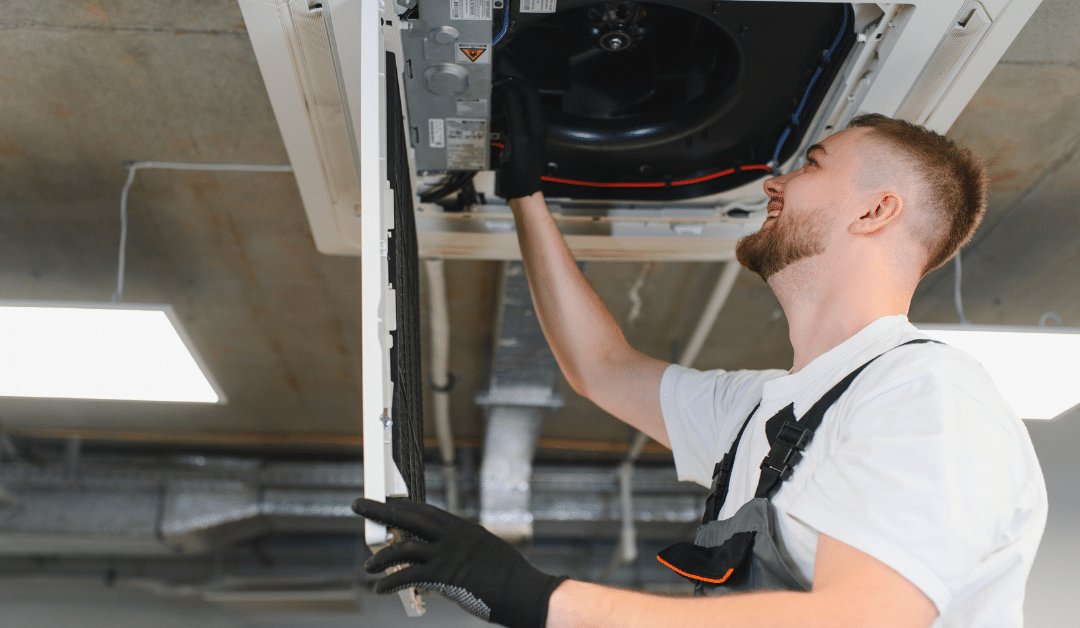
As summer fades and cooler temperatures arrive, homeowners begin preparing their homes for fall and winter. Windows get closed, blankets come out of storage, and thermostats eventually switch from cooling to heating. Before you rely on your heating system every day, however, there is another important step worth considering: having an HVAC repairman inspect your equipment.
Your heating system may have been sitting unused for several months. During that time, components can collect dust, electrical connections can develop problems, and existing wear may go unnoticed. Even if your furnace or heating system worked perfectly last winter, that does not guarantee it is ready for another season of regular use.
Having an HVAC repairman evaluate the system before temperatures drop gives you an opportunity to address problems early, improve efficiency, and reduce the risk of losing heat when you need it most.
Your Heating System Has Been Sitting Unused
Most homeowners do not think much about their heating equipment during spring and summer. While the air conditioner handles the workload, the heating side of the system may remain unused for months.
That extended period of inactivity does not necessarily cause damage, but it does mean you have not had an opportunity to observe how the heating equipment is performing.
Dust and debris may have accumulated. Electrical connections may need attention. Components that were beginning to wear at the end of last winter may now be closer to failure.
A professional inspection before the heating season begins provides an opportunity to identify these concerns before the system starts operating every day.
Catch Small Problems Before They Become Bigger
HVAC problems rarely appear at convenient times. A component that seems fine during mild fall weather could fail once your heating system begins operating for hours each day.
Small issues can also create additional strain on other parts of the system. A worn component, airflow restriction, or electrical issue may eventually contribute to a more expensive repair if it is ignored.
An HVAC repairman can look for signs of wear and identify potential problems while they are still manageable. Addressing those concerns early may help prevent an unexpected breakdown later in the season.
Preventative attention is particularly valuable before winter because heating equipment experiences significantly greater demand once outdoor temperatures remain consistently cold.
Make Sure Your System Starts Properly
The first heating cycle of the season can reveal a lot about your system.
When you switch your thermostat from cooling to heating, the equipment should respond appropriately and begin warming the home. Depending on the type of system you have, there may be a short delay before warm air reaches the vents.
However, excessive delays, repeated cycling, unusual noises, or a complete failure to start can indicate a problem.
Having an HVAC repairman check the system before you depend on it every day allows these startup issues to be addressed without the urgency of a freezing home.
Check for Unusual Sounds
Heating systems make normal operational sounds, but homeowners should be familiar with what their equipment usually sounds like.
Banging, grinding, squealing, buzzing, rattling, or other new noises deserve attention. These sounds can indicate loose components, worn parts, motor problems, or other mechanical concerns.
Ignoring an unusual noise may allow a relatively minor issue to worsen over time.
If you hear something different when testing your heat for the first time, scheduling professional service can help determine where the sound is coming from and whether a repair is necessary.
Address Strange Smells Before Heating Season
A slight dusty smell can occur when heating equipment is turned on for the first time after sitting unused for several months. Dust that settled on components during the warmer seasons may temporarily produce an odor as the system begins operating.
That smell should typically disappear relatively quickly.
Persistent burning smells, electrical odors, strong musty scents, or other unusual odors should not be ignored. Turn the system off if you notice a concerning smell and have it professionally evaluated.
An HVAC repairman can inspect the equipment and determine whether the odor is related to accumulated dust or a condition requiring further attention.
Improve Heating Efficiency
Heating a home can account for a significant portion of winter energy use. If your equipment is not operating efficiently, monthly utility costs can increase as the system works harder to maintain comfortable temperatures.
Efficiency problems can result from several conditions, including restricted airflow, dirty components, aging equipment, thermostat issues, and general wear.
Professional maintenance helps ensure the system is prepared to operate efficiently before winter demand increases.
Even relatively small efficiency improvements can make a difference when your heating equipment runs regularly for several months.
Start the Season With Proper Airflow
Good airflow is essential to HVAC performance.
If your filter is clogged or vents are blocked, the system may struggle to distribute warm air throughout your home. Restricted airflow can increase operating time, reduce comfort, and place additional strain on equipment.
Before heating season, check your air filter and replace it if necessary. You should also walk through your home and make sure supply and return vents are not blocked by furniture, rugs, curtains, or other objects.
An HVAC repairman can evaluate additional airflow concerns if certain rooms remain uncomfortable or airflow from the vents seems weaker than normal.
Test Your Thermostat
Sometimes what appears to be a heating equipment problem actually begins with the thermostat.
Before winter, verify that your thermostat responds correctly when switched into heating mode. Check the temperature reading and make sure the system turns on when the thermostat is adjusted above the current indoor temperature.
Fall is also a good time to review programmable thermostat schedules.
Your household routine may change between summer and winter, especially as daylight hours decrease and family members spend more time indoors. Updating temperature schedules can help maintain comfort while avoiding unnecessary heating when nobody is home.
If the thermostat is not communicating correctly with the system, professional diagnosis can determine whether the problem involves the thermostat, wiring, or heating equipment.
Reduce the Risk of a Midwinter Breakdown
A heating failure during a mild October afternoon is inconvenient. A heating failure during a freezing January night can become a much bigger problem.
Heating systems work hardest during periods of extreme cold. If components are already worn or malfunctioning, this increased workload may be enough to cause a breakdown.
Scheduling an HVAC repairman before winter provides an opportunity to discover problems during a period when your heating system is not yet under maximum demand.
While no inspection can guarantee that equipment will never experience a problem, preventative maintenance can reduce the likelihood that neglected issues will lead to an unexpected failure.
Protect the Lifespan of Your HVAC Equipment
Heating and cooling equipment represents a significant investment in your home. Like most mechanical equipment, HVAC systems tend to perform better when they receive appropriate maintenance throughout their lifespan.
Small problems that remain unresolved can place additional stress on other components. Longer operating cycles and restricted airflow can also increase wear.
Taking care of equipment before each major heating and cooling season can help minimize unnecessary strain.
An HVAC repairman can identify developing issues and recommend appropriate maintenance or repairs to help keep the equipment operating properly.
Keep Your Home Comfortable
One of the first signs of a heating problem may be inconsistent comfort.
Perhaps one bedroom remains cold while the rest of the house feels comfortable. Maybe the furnace runs constantly without reaching the temperature on the thermostat. You might also notice that airflow feels significantly stronger in certain rooms.
Uneven heating can have several causes, including ductwork issues, airflow restrictions, thermostat placement, equipment problems, or characteristics of the home itself.
Having these concerns evaluated before winter gives you time to improve comfort before heating demand reaches its peak.
Know the Warning Signs That Require Attention
Homeowners should pay attention to changes in HVAC performance instead of waiting until the system stops working entirely.
Some signs worth having evaluated include:
- Unusual banging, grinding, squealing, or rattling
- Weak airflow from supply vents
- Rooms that remain noticeably colder than others
- Frequent starting and stopping
- Unexpected increases in energy bills
- Persistent burning or electrical odors
- Difficulty reaching the thermostat setting
If you notice any of these symptoms, calling an HVAC repairman before regularly using your heat can help determine the cause.
Early diagnosis may also provide more repair options than waiting until a damaged component fails completely.
Fall Is a Convenient Time for HVAC Service
One advantage of preparing your heating equipment in fall is that temperatures are generally more moderate.
You may not need heating or cooling continuously, which makes it easier to schedule maintenance or repairs without significantly affecting your comfort.
Waiting until the first major cold spell can create a much more urgent situation. If the system suddenly does not work, you need service immediately rather than at a convenient time.
Scheduling ahead gives homeowners an opportunity to address known issues and prepare equipment before colder temperatures arrive.
Older Heating Systems Deserve Extra Attention
If your heating equipment has been operating for many years, preventative evaluation becomes especially valuable.
Age alone does not automatically mean a system needs replacement. A well-maintained older system may continue operating reliably, while a poorly maintained newer system can experience problems much sooner.
However, older equipment may contain components that have accumulated years of normal wear. Replacement parts may also become more difficult or expensive to obtain for certain systems.
An HVAC repairman can assess the current condition of the equipment and help you understand whether repairs, continued maintenance, or eventual replacement should be considered.
Knowing this information before winter allows you to plan instead of being forced into a decision during an emergency.
Maintenance Can Help You Plan Ahead
Professional HVAC service is not only about fixing immediate problems. It can also provide useful information about what your system may need in the future.
If a component is beginning to wear but does not require immediate replacement, you can prepare for that expense. If the entire system is approaching the end of its expected service life, you can begin researching replacement options before an emergency occurs.
This type of planning is particularly valuable for homeowners trying to manage maintenance expenses and avoid unexpected costs.
Instead of wondering how long the equipment will last, you can make decisions based on its current condition and performance.
Do Not Wait Until the First Freezing Night
It can be tempting to ignore your heating system until temperatures become cold enough to require it. Unfortunately, that is also when many homeowners discover problems.
Testing your system early gives you time to observe how it starts, listen for unusual sounds, check airflow, and make sure warm air reaches the entire home.
If something seems wrong, contact a professional rather than repeatedly running malfunctioning equipment.
Calling an HVAC repairman before the first major temperature drop can help ensure your home is prepared when fall turns into winter.
Transitioning From Summer to Fall
The transition from summer to fall is the perfect time to start thinking about your heating equipment. After sitting unused for several months, the system should be checked before it is expected to operate consistently throughout colder weather.
Simple homeowner tasks such as replacing filters, clearing vents, checking thermostat settings, and testing the heat can help you identify obvious problems. Professional service provides a more thorough evaluation of the equipment and can uncover issues that are not immediately visible.
Having an HVAC repairman inspect and service your heating system before winter can help improve reliability, maintain efficiency, reduce the risk of unexpected repairs, and keep your home comfortable throughout the colder months.
Preparing now means you will not have to wait until the first freezing night to find out whether your heating system is ready for the season.
Stay up to date with the latest at M&M Mechanical by liking us on Facebook.