
Your home’s comfort depends heavily on one system working quietly in the background every day. Heating in the winter, cooling in the summer, and consistent airflow throughout the year are all made possible by residential HVAC systems. While most homeowners rely on these systems daily, many are not fully aware of how they operate or what keeps them running efficiently.
Understanding how residential HVAC systems work can help you make better decisions about maintenance, repairs, and upgrades. When you know what each component does and how the system functions as a whole, it becomes easier to spot issues early and keep everything running smoothly.
What Are Residential HVAC Systems?
Residential HVAC systems are designed to control temperature, airflow, and air quality within a home. HVAC stands for heating, ventilation, and air conditioning, and each part plays a key role in maintaining a comfortable indoor environment.
Heating components warm your home during colder months, cooling components remove heat during warmer months, and ventilation ensures proper airflow and air exchange. Together, these elements create a balanced system that responds to your comfort needs throughout the year.
Modern residential HVAC systems are designed for both efficiency and reliability, helping homeowners maintain comfort while managing energy use.
The Three Main Functions of HVAC Systems
To understand how residential HVAC systems operate, it helps to break them down into their three primary functions.
Heating provides warmth when temperatures drop. Cooling removes heat and humidity to maintain a comfortable indoor climate. Ventilation ensures that air circulates properly and fresh air replaces stale indoor air.
Each function works independently but also relies on the others to create a consistent and comfortable environment inside your home.
How Heating Works
During colder months, residential HVAC systems generate or transfer heat to warm indoor air. The most common heating methods include furnaces and heat pumps.
Furnaces produce heat by burning fuel or using electricity. The heat is transferred to air, which is then pushed through ductwork and distributed throughout the home. Heat pumps operate differently by transferring heat from the outside air into the home.
Once warm air is produced, the system circulates it through vents to maintain the desired temperature set on the thermostat.
How Cooling Works
Cooling is handled by an air conditioning unit that removes heat from indoor air. Residential HVAC systems use a process that involves refrigerant to absorb and release heat.
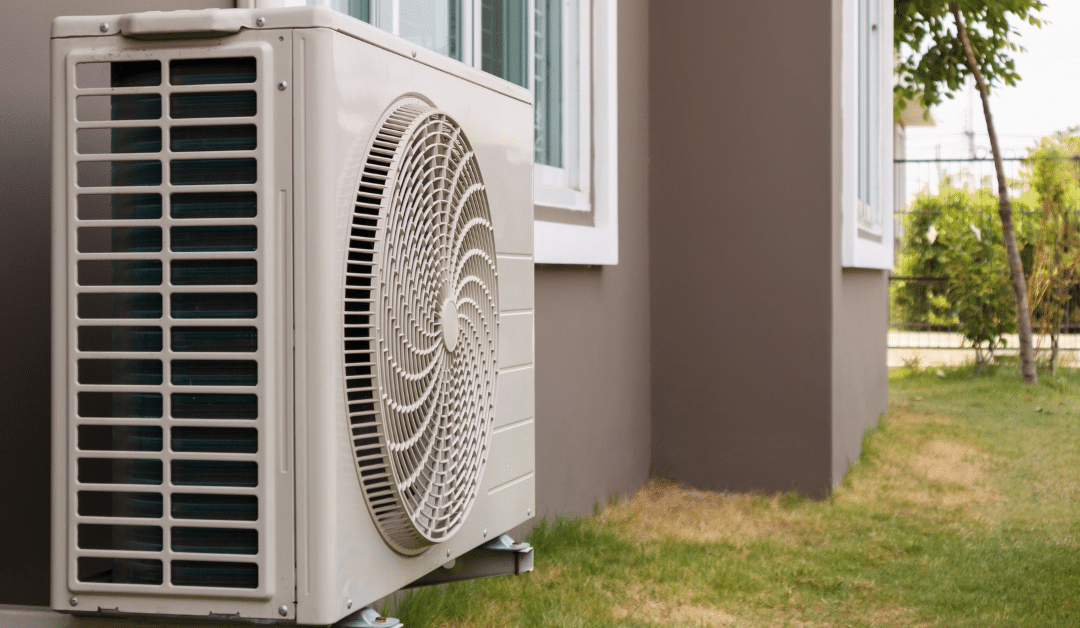
Warm air from inside the home is pulled into the system and passed over evaporator coils. The refrigerant inside these coils absorbs the heat, cooling the air before it is sent back through the ducts. The heat that was removed is released outside through the condenser unit.
This continuous cycle keeps indoor temperatures comfortable even during the hottest days.
The Role of Ventilation
Ventilation is often overlooked but is a critical part of residential HVAC systems. It ensures that air circulates properly throughout the home and helps maintain indoor air quality.
Ventilation removes stale air and brings in fresh air, preventing the buildup of moisture, odors, and airborne contaminants. Proper airflow also helps maintain consistent temperatures from room to room.
Without effective ventilation, even the best heating and cooling equipment cannot perform at its full potential.
Key Components That Make It All Work
Residential HVAC systems rely on several key components working together to deliver heating and cooling efficiently.
- Thermostat that controls temperature settings
- Furnace or heat pump for heating
- Air conditioner for cooling
- Ductwork that distributes air
- Blower motor that moves air through the system
- Air filters that trap dust and particles
Each component plays a role in maintaining comfort. If one part fails or becomes inefficient, the entire system can be affected.
How the Thermostat Controls Everything
The thermostat acts as the control center for residential HVAC systems. It monitors the indoor temperature and signals the system when heating or cooling is needed.
When the temperature drops below the set point, the thermostat tells the heating system to turn on. When the temperature rises above the set point, it activates the cooling system. Once the desired temperature is reached, the system shuts off until it is needed again.
Modern thermostats offer programmable and smart features that allow homeowners to adjust settings based on schedules, improving both comfort and energy efficiency.
Airflow and Distribution
Airflow is essential for proper system operation. Residential HVAC systems rely on ductwork to deliver conditioned air to different parts of the home.
The blower motor pushes air through the ducts and out through vents. Return vents pull air back into the system to be reheated or cooled again. This continuous circulation keeps temperatures stable throughout the home.
Balanced airflow ensures that every room receives the right amount of heating or cooling, preventing hot and cold spots.
The Importance of Air Filters
Air filters play a crucial role in protecting residential HVAC systems and maintaining indoor air quality. They capture dust, pollen, and other airborne particles before they enter the system.
Clean filters allow air to flow freely, while dirty filters restrict airflow and force the system to work harder. This can reduce efficiency and lead to increased wear on components.
Regular filter replacement is one of the simplest ways to keep your system operating efficiently.
Energy Efficiency and System Performance
Energy efficiency is a major focus for modern residential HVAC systems. Efficient systems use less energy to achieve the same level of comfort, which reduces utility bills and environmental impact.
Efficiency depends on several factors, including system design, insulation, airflow, and maintenance. Properly maintained systems perform better and last longer.
Upgrading to high-efficiency equipment or improving system components can lead to significant energy savings over time.
Common Issues That Affect Performance
Even well-designed residential HVAC systems can experience problems. Common issues include reduced airflow, uneven temperatures, strange noises, and increased energy bills.
These problems often result from dirty filters, worn components, or airflow restrictions. Addressing issues early helps prevent larger and more expensive repairs.
Regular maintenance and prompt attention to warning signs are key to maintaining system performance.
Why Maintenance Matters
Routine maintenance keeps residential HVAC systems running efficiently and reliably. During service visits, technicians inspect components, clean parts, and ensure everything is functioning correctly.
Maintenance helps prevent breakdowns, extend system lifespan, and improve energy efficiency. Homeowners who schedule regular service often experience fewer issues and more consistent comfort.
Preventative care is one of the best ways to protect your HVAC investment.
When to Consider Upgrades
Over time, residential HVAC systems may need to be upgraded or replaced. Aging equipment becomes less efficient and more prone to breakdowns.
If your system requires frequent repairs or struggles to maintain comfort, it may be time to consider an upgrade. New systems offer improved efficiency, better performance, and advanced features that enhance comfort.
A professional evaluation can help determine the best solution for your home.
Maintaining Comfort
Understanding how residential HVAC systems work gives homeowners the knowledge needed to maintain comfort, reduce energy costs, and extend the life of their equipment. From heating and cooling to airflow and filtration, each part of the system plays a critical role in creating a comfortable indoor environment.
By staying proactive with maintenance and addressing issues early, homeowners can ensure their HVAC system continues to perform reliably year after year. A well-maintained system not only improves comfort but also protects one of the most important investments in your home.
Stay up to date with the latest at M&M Mechanical by liking us on Facebook.