
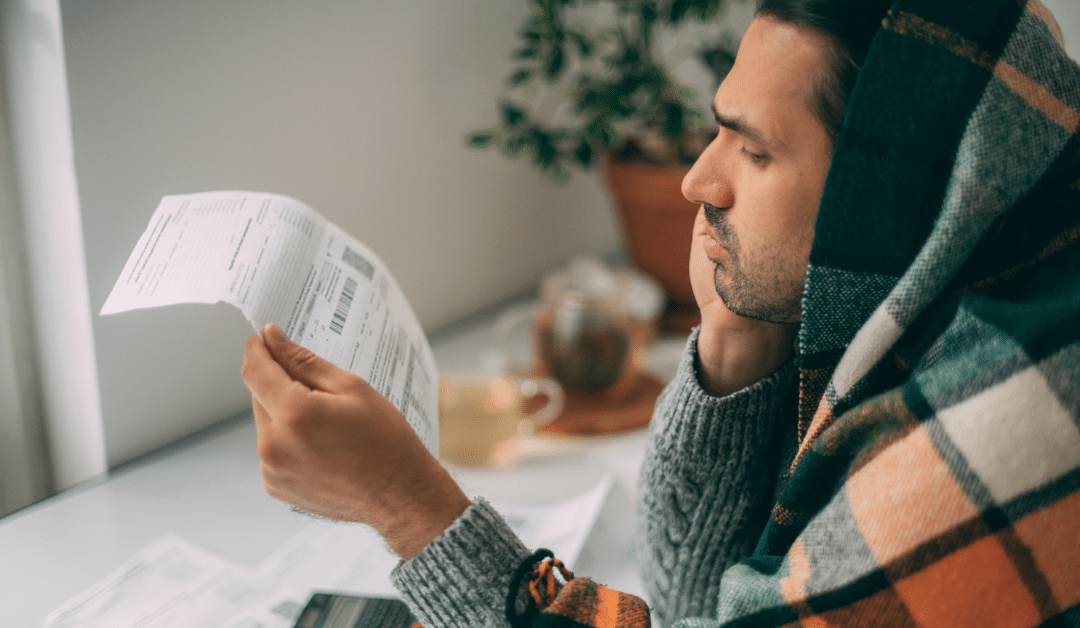
As temperatures drop and winter approaches, keeping your home warm becomes a priority. Unfortunately, maintaining a comfortable indoor temperature can also mean spending more on energy. If you have noticed high heating bills during the colder months, your HVAC system, thermostat settings, or even your home’s insulation could be contributing to the problem.
While heating costs naturally increase as outdoor temperatures fall, unusually expensive utility bills are not always unavoidable. Small changes in how you use and maintain your heating equipment can make a noticeable difference in energy consumption. In some cases, an inefficient furnace or heat pump may be working harder than necessary, increasing operating costs without providing better comfort.
Understanding what causes high heating bills is the first step toward reducing unnecessary expenses. From regular HVAC maintenance to improving airflow and sealing drafts, there are several practical ways homeowners can improve heating efficiency.
1. Schedule Regular HVAC Maintenance
One of the most effective ways to improve heating efficiency is to schedule routine HVAC maintenance. Your furnace or heat pump works hard during the winter, and even minor performance issues can increase energy consumption over time.
Dust buildup, worn components, restricted airflow, and malfunctioning controls can make heating equipment less efficient. When these problems go unnoticed, your system may run longer or more frequently to maintain the temperature set on your thermostat.
Professional maintenance helps identify developing issues before they become more expensive problems. During an inspection, an HVAC technician can evaluate important components, check electrical connections, examine airflow, and confirm that the equipment is operating properly.
For furnaces, maintenance may also include inspecting burners, ignition components, safety controls, and venting. Heat pumps require attention to different components, including refrigerant systems, outdoor coils, and defrost operation.
If high heating bills have become a recurring problem, an HVAC inspection can help determine whether your equipment is operating efficiently or whether repairs are necessary.
Scheduling maintenance before winter is ideal, but it is never too late to have your system evaluated if you notice changes in performance.
Regular maintenance can also help reduce unexpected breakdowns, support consistent indoor temperatures, and extend the useful life of your equipment.
2. Adjust Your Thermostat Settings
Your thermostat plays an important role in determining how much energy your heating system uses. Even a small change in temperature settings can influence how often your equipment runs.
During winter, many homeowners keep their thermostats at the same temperature throughout the day, even when nobody is home. This can result in unnecessary heating expenses.
The U.S. Department of Energy recommends setting your thermostat to a comfortable temperature while you are home and lowering it when you are asleep or away, when appropriate for your heating system. For conventional systems, reducing the temperature by 7 to 10 degrees for eight hours a day can provide meaningful annual heating and cooling savings.
However, heat pumps may require a different approach. Large temperature setbacks can sometimes activate auxiliary heating, which may offset potential energy savings. A thermostat designed for heat pump operation can help manage this issue.
Programmable and smart thermostats can make temperature management easier by automatically adjusting settings according to your schedule.
For example, you might program your thermostat to lower the temperature while everyone is at work and gradually return to a comfortable setting before you arrive home.
If you are experiencing high heating bills, reviewing your thermostat settings is a simple place to start. Avoid constantly raising the temperature in an attempt to heat your home faster, since most systems do not warm a space more quickly simply because the thermostat is set higher.
Consistent, appropriate settings can help reduce unnecessary heating cycles without sacrificing comfort.
3. Replace Dirty Air Filters and Improve Airflow
Airflow is essential for efficient heating system operation. When warm air cannot circulate properly, your equipment may struggle to maintain comfortable indoor temperatures.
One of the most common causes of restricted airflow is a dirty air filter.
As filters collect dust, pet hair, and other airborne particles, they gradually become clogged. If they are not replaced or cleaned according to manufacturer recommendations, airflow through the system can decrease.
Restricted airflow may cause a furnace to overheat or a heat pump to operate inefficiently. It can also contribute to uneven temperatures, longer operating cycles, and additional wear on components.
Checking your air filter regularly is a simple maintenance task that can help prevent unnecessary problems.
The appropriate replacement schedule depends on the filter type, household conditions, equipment requirements, and manufacturer instructions. Homes with pets or higher dust levels may need more frequent filter changes.
Blocked vents can also interfere with heating performance. Furniture, rugs, curtains, and storage items should not obstruct supply or return vents.
If you have high heating bills along with weak airflow or rooms that never seem warm enough, restricted airflow may be part of the problem.
Keep vents unobstructed and avoid closing large numbers of supply registers in an attempt to save energy. Doing so can disrupt airflow and create additional pressure within certain duct systems.
If airflow problems continue after checking the filter and vents, a professional HVAC technician can determine whether ductwork or mechanical issues are affecting performance.
4. Seal Drafts and Improve Home Insulation
Even a properly functioning heating system can struggle to maintain comfortable temperatures when warm air continuously escapes from your home.
Drafty windows, poorly sealed doors, attic gaps, and insufficient insulation allow heat to escape while cold outdoor air enters. This increases the amount of work your heating system must perform.
If your home loses heat quickly, the furnace or heat pump may need to run more frequently to maintain the desired temperature.
Over time, this additional energy consumption can contribute to high heating bills, even when the equipment itself is functioning correctly.
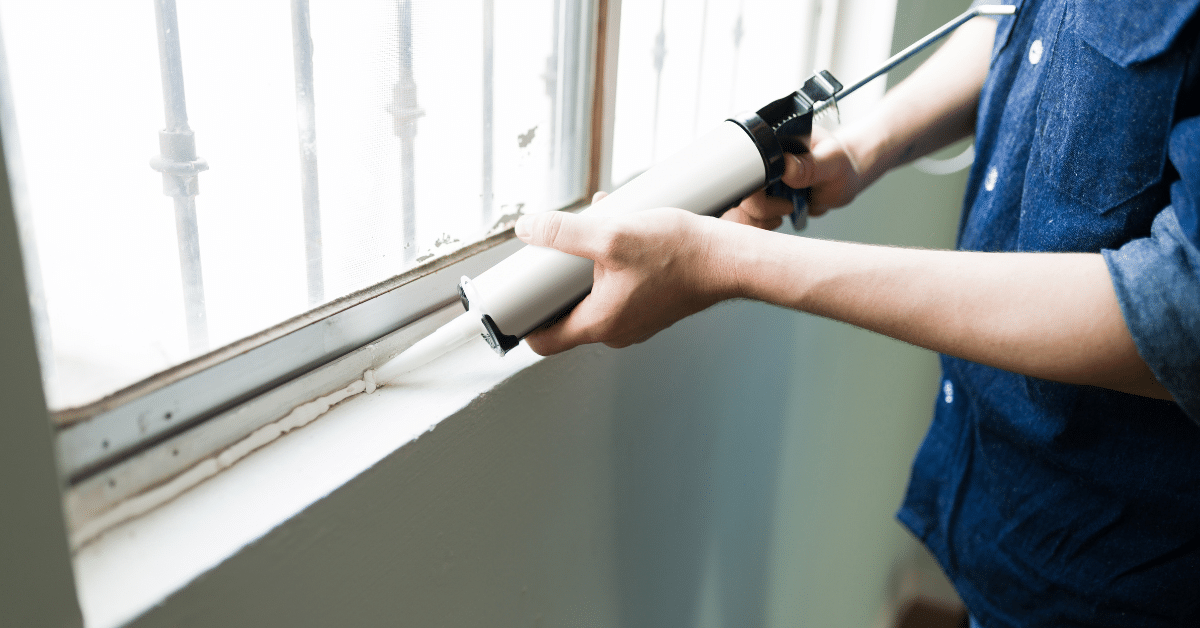
Start by checking windows and exterior doors for noticeable drafts. Weatherstripping and caulking can help seal many common air leaks, although the appropriate material depends on the location and type of gap.
Attics are another important area to evaluate. Warm indoor air can escape through openings around plumbing penetrations, electrical wiring, attic access points, and other gaps.
Proper air sealing and insulation can reduce heat loss and improve overall comfort.
However, homeowners should avoid sealing combustion-air openings or altering appliance venting. These components are essential for safe operation of certain heating systems.
If your home consistently feels cold despite the heating system running frequently, a professional energy assessment may help identify areas where heat is being lost.
Improving insulation and reducing drafts can work alongside HVAC maintenance to lower energy consumption without requiring a complete equipment replacement.
5. Pay Attention to Signs Your Heating System Is Struggling
Sometimes the reason behind rising heating costs is not your thermostat or insulation. The heating equipment itself may be experiencing a mechanical problem.
A furnace or heat pump can continue operating even when certain components are no longer functioning correctly. As efficiency decreases, the system may require additional energy to provide the same level of comfort.
Common warning signs include unusual noises, inconsistent temperatures, frequent cycling, weak airflow, and equipment that runs continuously without reaching the thermostat setting.
For example, a malfunctioning thermostat may cause unnecessary heating cycles. A blower problem can interfere with airflow, while dirty coils or other heat pump issues may reduce heating performance.
If high heating bills appear alongside any of these symptoms, scheduling professional service can help identify whether an underlying equipment problem is responsible.
It is also helpful to compare energy consumption rather than looking only at the total amount due. Utility rates, billing periods, and weather conditions can all influence monthly expenses.
A technician can inspect your heating system, evaluate its operation, and recommend appropriate repairs when necessary.
Addressing small problems early may help prevent additional component damage and reduce the likelihood of an unexpected breakdown during freezing temperatures.
Although not every repair produces significant energy savings, correcting a problem that causes excessive runtime or inefficient operation can improve system performance.
6. Consider Upgrading an Older Heating System
Heating equipment does not last forever. As furnaces and heat pumps age, components experience wear, and older systems may become less efficient or reliable.
If your equipment requires frequent repairs, struggles to maintain comfortable temperatures, or consumes excessive energy, replacement may be worth considering.
Modern heating systems can offer efficiency improvements compared with older equipment, particularly when the existing system has a low efficiency rating or is in poor condition.
For furnaces, efficiency is commonly measured using Annual Fuel Utilization Efficiency, or AFUE. A higher AFUE rating generally indicates that a greater percentage of the fuel’s energy is converted into usable heat over a typical heating season.
Heat pumps use different efficiency measurements, including Heating Seasonal Performance Factor 2, or HSPF2, to evaluate seasonal heating performance.
Selecting the right equipment involves more than choosing the highest efficiency rating. Proper sizing, installation quality, ductwork condition, local climate, and household heating needs all affect performance.
An oversized or undersized system may operate inefficiently and struggle to provide consistent comfort.
Homeowners experiencing high heating bills should consider the age and condition of their equipment before deciding whether repairs or replacement make the most financial sense.
A professional HVAC contractor can evaluate the existing system and explain whether an upgrade may provide worthwhile long-term benefits.
Although replacing heating equipment requires an upfront investment, improved efficiency and reliability may help reduce operating expenses over time.
Why Your Heating Bill May Still Increase During Winter
Even after making improvements, heating expenses may rise during especially cold months.
As outdoor temperatures decrease, your heating system must work harder to replace the heat your home loses. Longer heating cycles are often normal when temperatures remain below freezing.
The cost of electricity, natural gas, propane, or heating oil can also change from year to year.
This is why high heating bills should be evaluated in context rather than assuming every increase indicates a mechanical problem.
Compare your energy usage with previous months and similar periods from earlier years. Consider changes in weather, occupancy, thermostat settings, and utility rates.
If energy consumption increases significantly without an obvious explanation, an HVAC inspection can help determine whether your equipment is contributing to the problem.
How Preventative Maintenance Supports Long-Term Savings
Reducing heating costs is not always about making major upgrades. Consistent maintenance and small improvements can help your existing equipment operate more effectively.
Replacing filters, keeping vents unobstructed, maintaining appropriate thermostat settings, and scheduling professional inspections all support normal system performance.
It is also important to address developing problems before they cause more extensive damage.
An HVAC technician can identify worn components, airflow restrictions, and other conditions that may affect heating efficiency.
For homeowners dealing with high heating bills year after year, a combination of equipment maintenance and home efficiency improvements may provide better results than focusing on only one issue.
The goal is to reduce unnecessary energy consumption while maintaining a comfortable and reliable indoor environment.
Improving Heat Efficiency
Winter heating expenses can add up quickly, but there are several ways to improve efficiency and manage energy costs.
Scheduling regular HVAC maintenance, adjusting thermostat settings, replacing dirty filters, sealing drafts, recognizing equipment problems, and considering appropriate upgrades can all contribute to better heating performance.
While some improvements are simple enough for homeowners to handle themselves, others require professional evaluation to identify the underlying cause.
If high heating bills are becoming a regular concern, your heating system may be working harder than necessary. Taking action before the coldest part of winter can help improve comfort, reduce unnecessary energy use, and prevent avoidable equipment problems.
M&M Mechanical can help homeowners evaluate heating system performance and determine whether maintenance, repairs, or equipment replacement may be appropriate.
Stay up to date with the latest at M&M Mechanical by liking us on Facebook.