
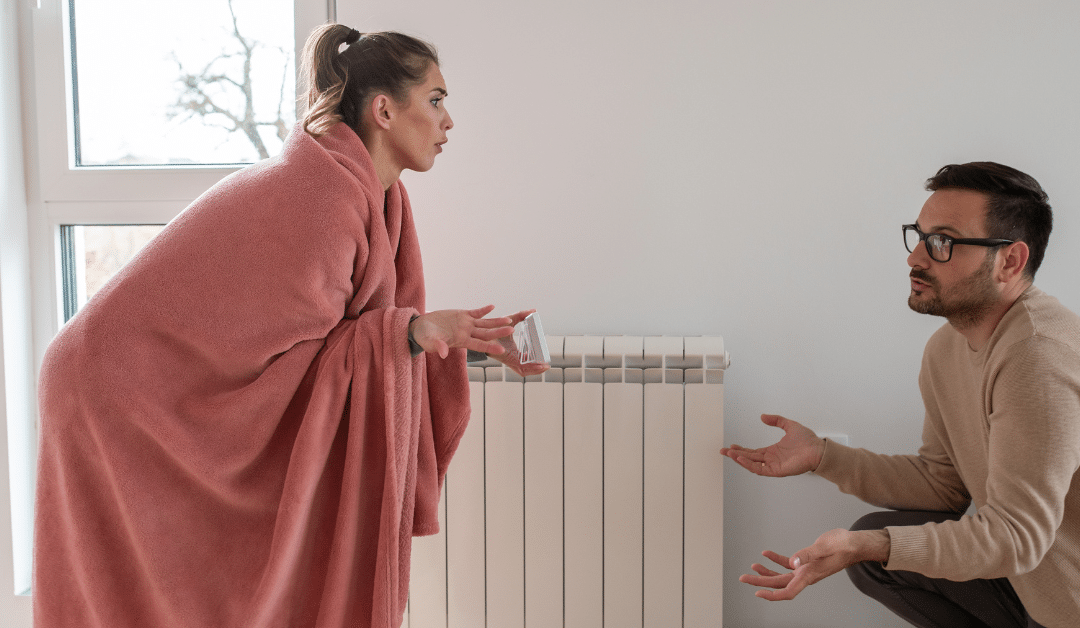
As temperatures begin to drop, homeowners start relying on their heating systems to keep their homes warm and comfortable. After months of little or no use, furnaces, heat pumps, and other heating equipment must be ready to handle the demands of winter. Unfortunately, problems that developed during previous seasons may not become noticeable until the system starts running regularly again.
Recognizing the warning signs of a struggling heating system can help prevent unexpected breakdowns, uncomfortable temperatures, and expensive repairs. Scheduling heating repair before winter arrives allows homeowners to address developing issues before their equipment is working its hardest.
Heating problems do not always begin with a complete system failure. Unusual noises, inconsistent temperatures, and rising utility bills can all indicate that something is wrong. Understanding these warning signs can help you determine when professional attention is necessary.
1. Your Heating System Is Making Unusual Noises
Every heating system makes some noise during normal operation. You might hear the blower fan running, the furnace starting, or air moving through the ductwork. These sounds are generally expected and should remain relatively consistent.
However, new or unusually loud noises can indicate that something is wrong.
Banging, rattling, grinding, squealing, and buzzing sounds may be associated with loose components, worn bearings, motor problems, or electrical issues.
For example, a squealing sound could indicate a problem with the blower motor or a belt in systems that use one. Rattling may come from loose panels, while grinding noises can suggest mechanical wear.
One mistake homeowners make is ignoring these sounds because the heating system still appears to work. Equipment can continue producing warm air while individual components deteriorate.
Scheduling heating repair when unusual noises first appear allows a technician to identify the source and determine whether adjustments or replacement parts are necessary.
Pay attention to when the noise occurs. Does it happen during startup, throughout operation, or when the system shuts off? These details can help your HVAC technician diagnose the problem.
2. Some Rooms Are Warmer Than Others
Your heating system should provide reasonably consistent comfort throughout your home. Although some temperature differences are normal, significant variations may indicate an underlying problem.
Perhaps your living room feels comfortable while an upstairs bedroom remains cold. You might notice that one area of your house takes much longer to warm up than another.
Uneven heating can have several causes, including restricted airflow, ductwork leaks, thermostat problems, blocked vents, or malfunctioning equipment.
Dirty air filters are another common contributor. When filters become clogged with dust and debris, airflow decreases, making it more difficult to distribute warm air effectively.
In some homes, damaged ductwork allows heated air to escape before reaching certain rooms. Other properties may have equipment or duct designs that do not distribute heat evenly.
Before requesting service, check that supply and return vents are unobstructed. Furniture, rugs, and curtains can interfere with airflow.
If the problem continues, professional heating repair may be necessary to identify mechanical or airflow-related issues affecting system performance.
Addressing uneven heating before winter is especially important because temperature differences may become more noticeable as outdoor conditions grow colder.
3. Your Energy Bills Are Increasing
Heating costs naturally rise during colder months because your system must operate more frequently to maintain comfortable temperatures.
However, a significant increase in energy consumption without a corresponding change in weather, thermostat settings, or household habits may indicate that your equipment is losing efficiency.
When heating equipment is not operating properly, it may require longer cycles to reach the desired temperature.
Dirty filters, restricted airflow, worn components, thermostat problems, and aging equipment can all contribute to inefficient operation.
For example, if your furnace struggles to distribute warm air throughout your home, it may continue running longer than necessary. These additional operating hours increase utility costs and place unnecessary stress on mechanical components.
Comparing energy bills from similar periods in previous years can help identify unusual changes. Remember that energy prices and outdoor temperatures also affect monthly costs.
If your heating expenses are increasing without a clear explanation, scheduling heating repair can help determine whether an equipment problem is contributing to the issue.
Correcting performance problems may help your system operate more efficiently while reducing unnecessary energy consumption.
4. Your Heating System Keeps Turning On and Off
Heating systems are designed to operate in cycles. When the indoor temperature drops below the thermostat setting, the equipment turns on and begins heating your home. Once the desired temperature is reached, the system shuts off.
If your equipment repeatedly turns on and off after only a short period, it may be experiencing short cycling.
Short cycling can occur for several reasons, including thermostat malfunctions, airflow restrictions, overheating, electrical issues, or improperly sized equipment.
For example, a furnace with restricted airflow may become too hot, causing a safety control to shut down heating operation. Once the equipment cools, it may attempt to start again.
This repeated process creates additional wear and may prevent your home from maintaining a comfortable temperature.
Frequent cycling can also increase energy consumption and place stress on important components.
Heating repair may be necessary when equipment repeatedly starts and stops without completing a normal operating cycle.
Because multiple problems can cause short cycling, professional diagnosis is important. Simply adjusting the thermostat may not resolve the underlying issue.
Addressing cycling problems before winter can help protect your equipment and reduce the likelihood of losing heat during colder weather.
5. Your Heating System Is Blowing Cold Air
One of the clearest signs of a heating problem is air that does not feel warm enough.
When you turn on your furnace, you expect it to raise the indoor temperature to the thermostat setting. If the equipment runs continuously but your home remains cold, something may be preventing it from heating properly.
The cause depends on whether your home uses a gas furnace, electric furnace, heat pump, or another heating system.
Potential problems include thermostat settings, ignition issues, heating element failures, airflow restrictions, or malfunctioning components.
Heat pumps often deliver air that feels cooler than the air produced by traditional furnaces. This does not necessarily indicate a problem if the system maintains the desired indoor temperature.
However, if your equipment suddenly produces noticeably cooler air or struggles to heat your home, professional evaluation may be necessary.
Before calling for heating repair, confirm that your thermostat is set to heating mode and that the fan setting is appropriate. A fan set to run continuously may circulate room-temperature air even when the equipment is not actively heating.
If the settings are correct and your home still is not warming properly, a technician can inspect the equipment and identify the cause.
6. You Notice Strange Smells When the Heat Runs
Unusual odors can indicate that your heating equipment needs attention.
When you turn on your furnace for the first time after summer, you may notice a temporary dusty smell. This can happen when accumulated dust is exposed to heat.
A mild odor that disappears quickly may be normal. However, persistent burning smells, strong electrical odors, or musty scents should not be ignored.
A burning electrical odor could indicate overheating components or wiring problems. Musty smells may be associated with excess moisture or microbial growth.
If you notice a strong burning smell, turn off the equipment when safe and contact a professional.
If you smell natural gas or suspect a gas leak, leave the building immediately and contact your gas utility or emergency services from a safe location. Do not operate electrical switches or attempt to locate the leak yourself.
Professional heating repair can help address equipment-related odor problems once the source has been identified.
Taking unusual smells seriously is important because heating equipment contains electrical components and, in some systems, fuel-burning components that must operate safely.
Why You Shouldn’t Delay Heating Repairs
It can be tempting to postpone service when your heating system is still producing warm air. However, delaying necessary repairs may allow the underlying issue to become more serious.
A worn component can place additional strain on other parts of the system. Restricted airflow may contribute to overheating, while electrical problems can interfere with normal operation.
Scheduling heating repair when warning signs first appear can help reduce the likelihood of more extensive damage.
Early service also gives homeowners greater flexibility when arranging appointments. Waiting until the first major cold spell may turn a manageable problem into an urgent situation.
Taking care of developing issues before winter can help you avoid inconvenient breakdowns when your heating system is needed most.
How Regular Maintenance Helps Prevent Heating Problems
Although some equipment failures happen unexpectedly, regular maintenance can help identify developing issues before they cause breakdowns.
Professional heating maintenance typically involves inspecting important components, checking safety controls, evaluating airflow, and confirming that the equipment operates properly.
The specific tasks depend on the type of system installed.
For gas furnaces, technicians may inspect combustion-related components, ignition systems, and venting. Heat pumps require attention to different components, including outdoor equipment and refrigerant systems.
Routine maintenance also provides an opportunity to identify worn parts, dirty components, and other concerns.
While preventative service cannot eliminate every possible problem, it can help reduce the likelihood of unexpected heating repair and support reliable operation throughout winter.
Simple Ways to Prepare Your Heating System for Winter
In addition to professional maintenance, homeowners can take several practical steps before colder weather arrives.
Start by checking your air filter. A clean filter supports proper airflow and helps protect equipment from excessive dust buildup.
Next, make sure supply and return vents are not blocked by furniture, rugs, or other household items.
Review your thermostat settings and confirm that your heating equipment responds when heating mode is selected.
If you have a heat pump, keep the outdoor unit clear of leaves, vegetation, and debris that could restrict airflow.
You should also make sure carbon monoxide alarms are installed and functioning according to manufacturer instructions, particularly in homes with fuel-burning appliances.
These steps can support normal operation, but they do not replace professional inspections or necessary repairs.
Heating Repair vs. Replacement: Which Is Right for Your Home?
Discovering a heating problem does not automatically mean you need a new furnace or heating system.
Many issues can be corrected through repairs, particularly when they are identified early.
However, replacement may become worth considering when equipment is older, requires frequent service, or struggles to maintain comfortable temperatures despite previous repairs.
Homeowners should consider the system’s age, maintenance history, repair costs, energy efficiency, and overall condition.
A major repair on relatively new equipment may make financial sense, while repeated expensive repairs on an aging system may indicate that replacement deserves consideration.
An experienced HVAC technician can evaluate your equipment and explain whether repairing or replacing it offers better long-term value.
Keeping Your Home Cozy
Your heating system plays an important role in keeping your home comfortable throughout winter. Recognizing warning signs before temperatures drop can help you avoid unexpected breakdowns, rising energy costs, and inconvenient service interruptions.
Unusual noises, uneven temperatures, increasing utility bills, frequent cycling, insufficient heat, and strange odors can all indicate that professional attention is needed.
While some concerns have simple explanations, others require an experienced technician to identify the underlying cause.
Scheduling heating repair before winter allows you to address developing problems while temperatures are still relatively mild. Combined with routine maintenance and basic homeowner care, timely service can help maintain dependable comfort throughout the colder months.
If your heating system is making unusual noises, struggling to maintain comfortable temperatures, or showing other warning signs, contact M&M Mechanical to schedule professional HVAC service.
Stay up to date with the latest at M&M Mechanical by liking us on Facebook.