
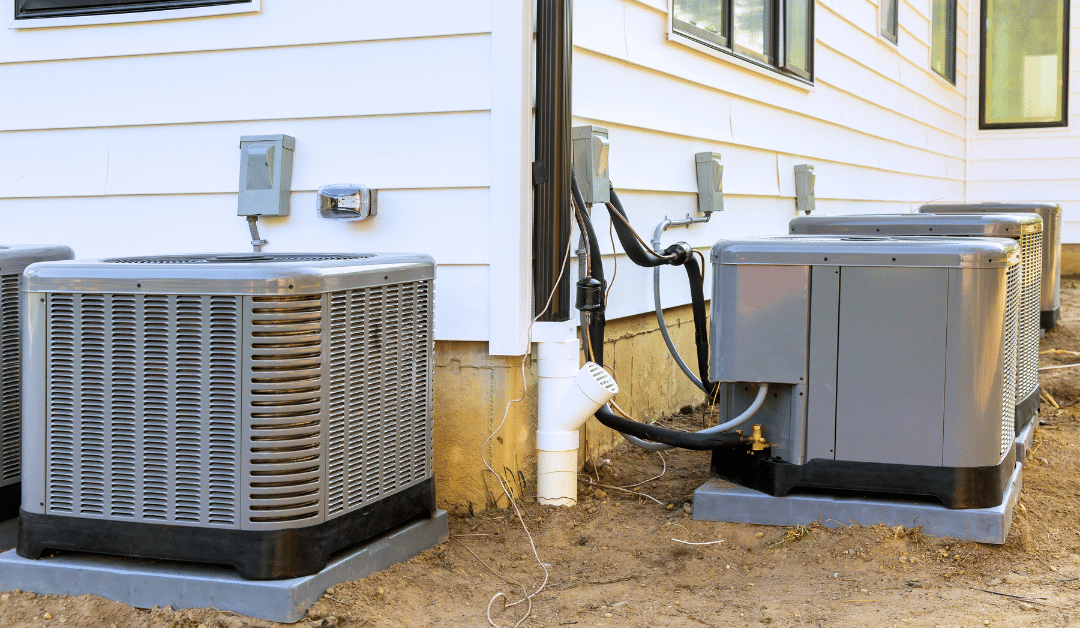
Keeping your home comfortable year-round depends on one essential system working behind the scenes. Heating, cooling, and ventilation all come together through residential HVAC systems to create a consistent indoor environment. Whether you are dealing with extreme summer heat or cold winter temperatures, your HVAC setup plays a major role in your daily comfort, energy costs, and indoor air quality.
For many homeowners, HVAC systems can feel complex or confusing. Understanding how these systems work, what components are involved, and how to maintain them properly can help you make smarter decisions about repairs, upgrades, and long-term care.
What Are Residential HVAC Systems?
Residential HVAC systems are designed to heat, cool, and circulate air throughout your home. The term HVAC stands for heating, ventilation, and air conditioning. Each of these functions works together to regulate indoor temperature and maintain air quality.
A typical system includes equipment for heating, such as a furnace or heat pump, and equipment for cooling, such as an air conditioner. These components are supported by ductwork, vents, and a thermostat that controls temperature settings.
Modern residential HVAC systems are built to provide consistent comfort while improving efficiency and reducing energy usage.
Key Components of HVAC Systems
To better understand how residential HVAC systems function, it is helpful to look at the main components that make up the system.
- Heating unit such as a furnace or heat pump
- Cooling unit such as a central air conditioner
- Thermostat for temperature control
- Ductwork that distributes air throughout the home
- Air filters that remove dust and contaminants
- Blower motor that moves air through the system
Each part plays an important role in maintaining comfort. When one component is not working properly, it can affect the performance of the entire system.
How Residential HVAC Systems Work
Residential HVAC systems operate by controlling airflow and temperature based on thermostat settings. When the thermostat detects that the temperature has changed, it signals the system to either heat or cool the air.
During cooling, warm air is pulled from inside the home, passed over evaporator coils, and cooled before being redistributed through the ducts. During heating, the system generates or transfers heat and circulates warm air throughout the space.
Ventilation ensures that fresh air enters the home while stale air is removed. This process helps maintain air quality and prevents the buildup of indoor pollutants.
Types of Residential HVAC Systems
There are several types of residential HVAC systems available, each suited to different home layouts and needs.
Central systems are the most common and use ductwork to distribute air evenly throughout the home. Heat pumps provide both heating and cooling by transferring heat rather than generating it. Ductless mini split systems offer flexible installation without the need for ductwork, making them ideal for smaller spaces or additions.
Choosing the right system depends on factors such as home size, insulation, climate, and budget.
Energy Efficiency and Cost Savings
Energy efficiency is one of the most important considerations when evaluating residential HVAC systems. Efficient systems use less energy to maintain comfortable temperatures, which leads to lower utility bills.
Modern systems often include features such as variable speed motors and programmable thermostats. These technologies allow the system to adjust output based on real-time needs rather than running at full capacity constantly.
Improving efficiency not only reduces energy costs but also decreases wear on system components, helping extend the lifespan of residential HVAC systems.
The Importance of Regular Maintenance
Routine maintenance is essential for keeping residential HVAC systems operating at peak performance. Over time, dust, debris, and normal wear can reduce efficiency and increase the likelihood of breakdowns.
Regular maintenance includes cleaning components, replacing filters, checking electrical connections, and ensuring proper airflow. These tasks help prevent small issues from developing into larger problems.
Homeowners who schedule consistent maintenance often experience fewer repairs, better system performance, and longer equipment life.
Common Problems Homeowners Encounter
Even well-maintained residential HVAC systems can experience issues over time. Recognizing common problems early can help you address them before they become serious.
Typical issues include reduced airflow, uneven temperatures, unusual noises, and rising energy bills. These signs often indicate clogged filters, duct issues, or worn components.
Addressing problems quickly helps maintain comfort and prevents more expensive repairs in the future.
When to Repair or Replace Your System
Deciding whether to repair or replace your system is a common concern for homeowners. Residential HVAC systems typically last between 10 and 20 years, depending on maintenance and usage.
If your system is relatively new and experiencing minor issues, repairs are usually the best option. However, if the system is older and requires frequent service, replacement may be more cost-effective.
A professional evaluation can help determine the most practical solution based on your system’s condition and performance.
Indoor Air Quality and HVAC Systems
Residential HVAC systems play a major role in maintaining indoor air quality. Air filters remove dust, pollen, and other particles, while ventilation helps circulate fresh air throughout the home.
Poor maintenance can lead to the buildup of contaminants, which affects both comfort and health. Regular filter changes and system cleaning help ensure that the air in your home remains clean and safe.
Improving air quality also contributes to better overall comfort and reduces allergy symptoms.
How to Choose the Right System for Your Home
Selecting the right system requires careful consideration of your home’s specific needs. Residential HVAC systems should be properly sized to match the square footage and layout of the home.
Oversized systems may cycle on and off too frequently, while undersized systems struggle to maintain temperature. Both situations reduce efficiency and increase wear.
Working with a professional ensures that the system is correctly sized, installed, and configured for optimal performance.
The Role of Professional Installation
Proper installation is just as important as choosing the right equipment. Residential HVAC systems that are installed incorrectly often experience reduced efficiency, uneven airflow, and premature failure.
Professional installation ensures that all components are connected correctly, airflow is balanced, and the system operates as designed. This helps maximize performance and prevent future issues.
Investing in quality installation provides long-term benefits and protects your HVAC investment.
Extending the Life of Your HVAC System
Homeowners can take simple steps to extend the life of residential HVAC systems and maintain consistent performance.
- Replace air filters regularly
- Keep vents open and unobstructed
- Schedule annual maintenance
- Monitor energy bills for unusual changes
- Address small issues promptly
These habits reduce strain on the system and help avoid unnecessary repairs.
Maintaining Comfort
Residential HVAC systems are a vital part of maintaining comfort, efficiency, and air quality in your home. Understanding how these systems work and how to care for them allows homeowners to make informed decisions that protect their investment.
With proper maintenance, timely repairs, and professional guidance, HVAC systems can provide reliable performance for many years. Taking a proactive approach ensures consistent comfort and helps avoid unexpected breakdowns. Whether you are installing a new system or maintaining an existing one, prioritizing care and efficiency will deliver long-term value and peace of mind.
Stay up to date with the latest at M&M Mechanical by liking us on Facebook.