
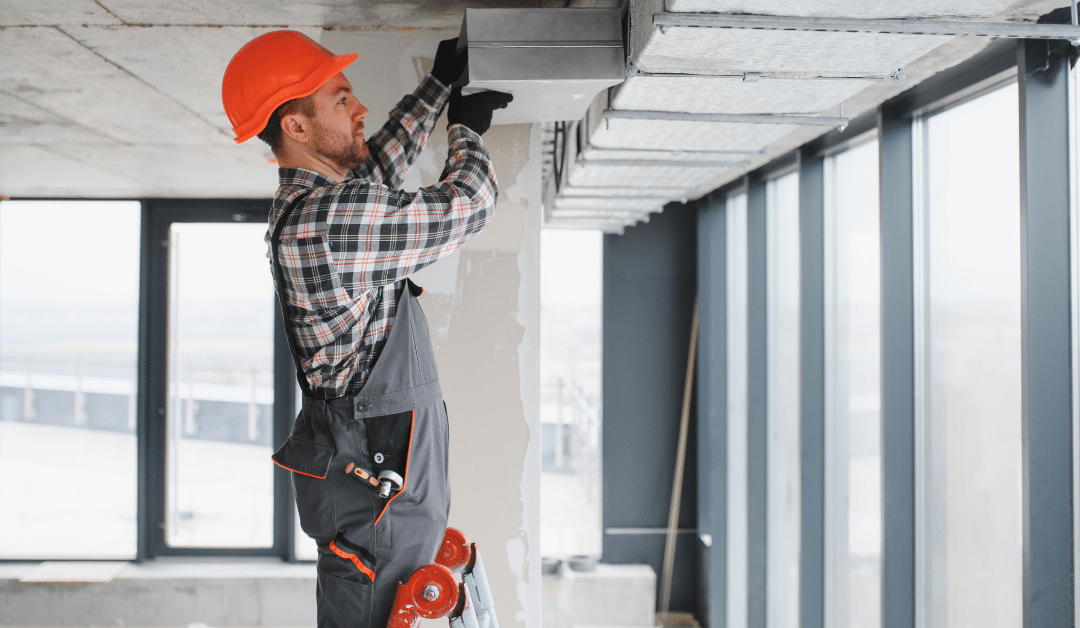
Keeping a commercial building comfortable involves much more than adjusting the thermostat. Offices, retail spaces, warehouses, restaurants, and other commercial properties often have complex heating and cooling requirements that change based on building size, occupancy, equipment, and daily operations. A commercial HVAC contractor helps businesses manage these systems so they can maintain reliable temperatures, improve efficiency, and address problems before they interfere with normal operations.
Commercial HVAC equipment can be significantly different from the systems found in residential properties. Larger capacities, rooftop units, multiple zones, extensive ductwork, and sophisticated controls can all require specialized knowledge. Working with professionals who understand commercial equipment helps businesses maintain a comfortable environment while protecting an important investment.
From preventative maintenance to emergency repairs and equipment replacement, HVAC professionals can support a commercial building throughout the entire lifespan of its heating and cooling equipment.
What Does a Commercial HVAC Contractor Do?
A commercial HVAC contractor installs, maintains, diagnoses, repairs, and replaces heating, ventilation, and air conditioning equipment used in commercial properties. The exact services required depend on the building and the type of equipment installed.
Unlike a typical home, a commercial property may need to maintain comfortable temperatures across numerous rooms, floors, or work areas simultaneously. Different portions of the building can also have different heating and cooling requirements.
For example, a busy office filled with employees and computers may generate more heat than a storage area in the same building. A restaurant kitchen has dramatically different ventilation and cooling requirements than its dining area.
HVAC professionals evaluate these factors and help ensure the equipment is capable of meeting the building’s specific demands.
Commercial HVAC Installation
Installing commercial heating and cooling equipment requires careful planning.
Simply choosing the largest available system does not guarantee better performance. Oversized and undersized equipment can both create comfort, efficiency, and reliability problems.
Before installation, professionals may evaluate factors such as:
- Building square footage
- Number of occupants
- Building layout
- Insulation
- Windows and exterior exposure
- Equipment that generates heat
- Ventilation requirements
- Existing ductwork
- Individual temperature zones
A commercial HVAC contractor uses this information to help determine the appropriate equipment and configuration for the property.
Correct installation is critical because even high-quality equipment may perform poorly if it is improperly sized or installed.
Preventative HVAC Maintenance
Preventative maintenance is one of the most important services available to commercial property owners.
Commercial systems often operate for long periods every day. Offices may require heating or cooling throughout business hours, while restaurants, healthcare facilities, warehouses, and other properties may have even greater demands.
That workload creates normal wear on motors, belts, electrical components, fans, and other parts.
During preventative service, a commercial HVAC contractor can evaluate equipment condition, inspect important components, check airflow, examine electrical connections, and identify signs of developing problems.
Catching minor concerns early may reduce the likelihood of unexpected breakdowns during periods of extreme temperatures.
Diagnosing Heating and Cooling Problems
Commercial HVAC problems are not always obvious.
Sometimes a system stops working entirely. In other cases, the first warning sign may be a small change in performance.
Employees may complain that certain rooms are too warm. Energy bills may begin increasing. Equipment might run longer than usual or make unfamiliar noises.
Professional diagnosis helps determine the actual cause instead of simply treating the most noticeable symptom.
An experienced commercial HVAC contractor can inspect the system, identify the source of the problem, and recommend an appropriate solution.
This is particularly important with complex commercial systems where multiple components may contribute to the same performance issue.
Commercial HVAC Repairs
When equipment develops a problem, timely repairs can make a major difference.
Continuing to operate malfunctioning equipment may place additional strain on other components and potentially turn a relatively manageable repair into a more significant problem.
Common commercial HVAC issues can involve thermostats, electrical components, motors, belts, compressors, refrigerant systems, fans, sensors, and airflow.
The appropriate repair depends on the type of equipment and the cause of the failure.
Having a commercial HVAC contractor address problems promptly can help restore comfort while reducing unnecessary stress on the system.
Improving Energy Efficiency
Heating and cooling a commercial building can represent a substantial portion of its energy use. Small efficiency problems can therefore have a noticeable impact on operating expenses over time.
Dirty components, restricted airflow, aging equipment, damaged ductwork, and incorrect thermostat settings can all contribute to wasted energy.
A commercial HVAC contractor can identify areas where the system may be operating inefficiently and recommend appropriate improvements.
Sometimes simple maintenance is enough to improve performance. Other properties may benefit from updated controls, equipment upgrades, or adjustments to the way the system operates.
The goal is to maintain comfort without requiring the equipment to consume more energy than necessary.
Supporting Indoor Air Quality
Commercial HVAC systems do more than control temperature. They also circulate air throughout the building.
Filters, ventilation systems, humidity levels, ductwork, and overall system cleanliness can influence indoor air quality.
Businesses may experience concerns such as excessive dust, unpleasant odors, high humidity, or stale indoor air. These conditions can be particularly noticeable in heavily occupied buildings where many people share the same indoor environment throughout the day.
Routine HVAC maintenance helps ensure filters, ventilation components, and airflow systems are functioning as intended.
A commercial HVAC contractor can also evaluate HVAC-related factors that may be contributing to indoor air quality concerns.
Managing Commercial HVAC Controls
Modern commercial buildings may use more sophisticated controls than a traditional residential thermostat.
Depending on the property, controls may manage multiple zones, occupancy schedules, temperature setbacks, and other operating conditions.
These systems allow businesses to customize heating and cooling based on how different parts of the building are actually used.
For example, an office may require comfortable temperatures during normal business hours but significantly less heating or cooling overnight. Conference rooms that are used intermittently may have different requirements than continuously occupied workspaces.
Properly configured controls can improve both comfort and energy efficiency.
Maintaining Rooftop HVAC Equipment
Many commercial properties use rooftop HVAC units. These systems help conserve valuable indoor space and provide heating and cooling from a centralized location.
However, rooftop equipment is continuously exposed to outdoor conditions.
Rain, wind, summer heat, winter temperatures, leaves, dirt, and other debris can all affect equipment over time. Because rooftop units are generally out of sight, developing problems may also be easier for property owners to overlook.
A commercial HVAC contractor can inspect rooftop equipment as part of a preventative maintenance program and identify wear before it results in a larger problem.
Planning for Equipment Replacement
No commercial HVAC system lasts forever.
As equipment ages, businesses may experience increasing repair costs, reduced efficiency, inconsistent temperatures, and more frequent breakdowns. Eventually, replacing older equipment may become more practical than continuing to repair it.
The decision should consider more than equipment age alone.
Maintenance history, current condition, energy consumption, repair frequency, availability of replacement parts, and overall performance can all influence whether replacement makes sense.
An experienced HVAC professional can help property owners compare repair and replacement options so they can make an informed decision.
Helping Businesses Plan Ahead
One advantage of ongoing HVAC service is the ability to plan for future needs instead of reacting to emergencies.
If a technician notices that a component is beginning to wear, the business may be able to schedule repairs at a convenient time. Similarly, if equipment is approaching the end of its expected service life, the company can begin budgeting for replacement rather than facing an unexpected expense.
A commercial HVAC contractor can provide insight into the condition of existing equipment and help property owners understand which systems may require attention in the future.
Planning ahead can be especially valuable for businesses where HVAC downtime could disrupt employees, customers, inventory, or daily operations.
Reducing the Risk of Unexpected Breakdowns
No maintenance program can guarantee that equipment will never fail, but preventative service can significantly improve the chances of identifying problems before they become emergencies.
Commercial HVAC equipment contains many mechanical and electrical components that experience normal wear during operation. Belts can loosen, connections can deteriorate, filters can become clogged, and moving parts can wear.
Regular inspections give technicians opportunities to identify these conditions early.
This is especially important before periods of heavy system use. Checking cooling equipment before summer and heating equipment before winter can help businesses prepare for seasonal temperature extremes.
What Should You Look for in an HVAC Company?
Choosing the right HVAC company is an important decision for any commercial property owner or facility manager.
Commercial systems require specialized experience, so businesses should look for professionals who understand the type of equipment installed in their building.
Communication also matters. A dependable HVAC company should clearly explain identified problems, recommended repairs, and maintenance needs so property owners can make informed decisions.
Look for a company that can provide ongoing support rather than only responding when equipment fails.
Developing a relationship with a commercial HVAC contractor who understands your building and equipment can make future maintenance and repairs more efficient.
When Should You Call an HVAC Professional?
You do not have to wait until the system completely stops operating before requesting service.
Changes in performance often provide early warning that something needs attention.
Contact an HVAC professional if you notice unusual noises, inconsistent temperatures, weak airflow, unexpected increases in energy costs, unusual odors, frequent cycling, or equipment that struggles to maintain thermostat settings.
Businesses should also schedule preventative maintenance even when everything appears to be operating normally.
Routine attention can help identify wear that may not yet be noticeable during everyday operation.
Why Professional Commercial HVAC Service Matters
Commercial buildings rely heavily on dependable heating and cooling. When HVAC equipment fails, the consequences can extend beyond temporary discomfort.
Employees may have difficulty working comfortably, customers may have a poor experience, and certain business operations may be affected by temperature changes.
Professional service helps businesses maintain equipment proactively instead of waiting for major problems to develop.
A commercial HVAC contractor provides the expertise necessary to understand complex commercial systems and recommend solutions based on the building’s specific needs.
Creating a Comfortable Environment
Commercial HVAC systems are essential to creating a comfortable, efficient, and functional business environment. From installing new equipment and performing preventative maintenance to diagnosing problems and planning future replacements, HVAC professionals provide support throughout every stage of a system’s lifespan.
Regular professional attention can help improve energy efficiency, maintain consistent temperatures, identify developing problems, and reduce the likelihood of inconvenient breakdowns.
Working with a reliable commercial HVAC contractor also gives business owners and property managers a knowledgeable resource when questions or problems arise. Instead of waiting for equipment to fail, businesses can take a proactive approach to maintaining one of their property’s most important systems.
Stay up to date with the latest at M&M Mechanical by liking us on Facebook.