
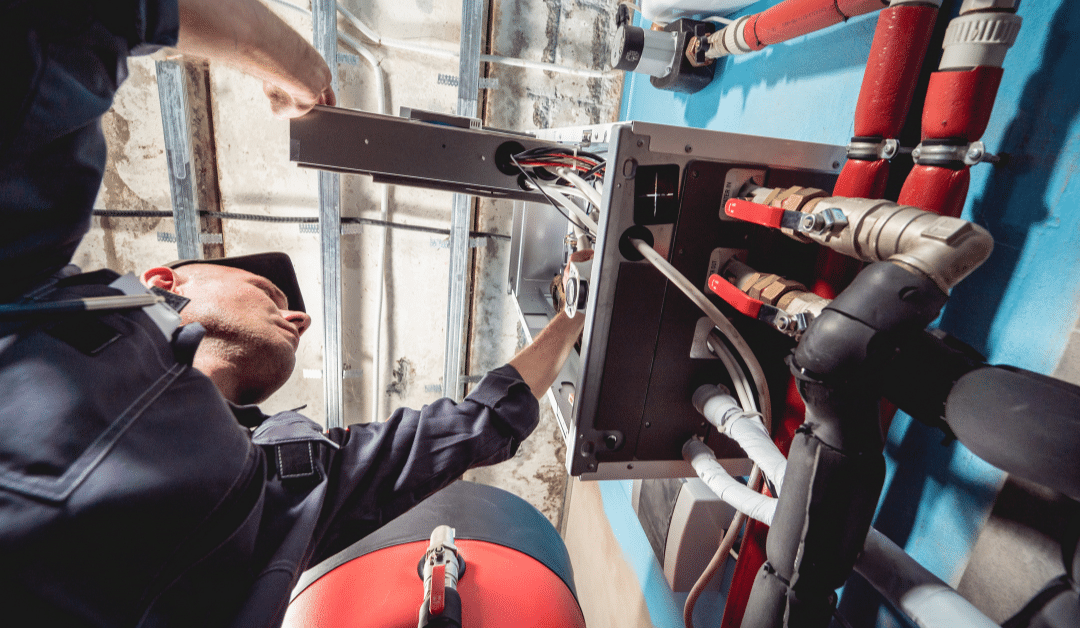
Heating and cooling systems work hard to keep your home comfortable year-round. While modern HVAC equipment is built to last, it is not immune to wear, breakdowns, and unexpected issues. When something goes wrong, homeowners often rely on an experienced HVAC repairman to diagnose problems, restore proper function, and prevent long-term damage.
Understanding the most common issues an HVAC repairman encounters can help you recognize early warning signs, avoid costly repairs, and keep your system running efficiently. From airflow problems to malfunctioning components, the challenges HVAC professionals face every day are often preventable with proper maintenance and timely service.
Why HVAC Systems Need Professional Repair
Your HVAC unit is a complex system made up of electrical parts, refrigerant lines, motors, sensors, and airflow components. As it ages or runs heavily during extreme weather, problems can develop that require expert attention. An HVAC repairman not only restores cooling or heating when something breaks, but also identifies deeper issues that may affect safety, efficiency, or air quality.
Whether it is a faulty thermostat or a failing compressor, professional service helps protect your system from further damage and keeps operating costs lower in the long run.
Refrigerant Leaks
One of the most frequent issues an HVAC repairman deals with is refrigerant loss. Your air conditioner relies on refrigerant to absorb heat and cool your home. When a leak develops in the coils or lines, the entire system struggles to function properly.
Common symptoms of refrigerant leaks include:
- Warm air blowing from vents
- Ice forming on the evaporator coil
- Higher energy bills
- Hissing sounds near indoor or outdoor units
An HVAC repairman will locate the leak, repair the damaged area, and recharge the system with the correct amount of refrigerant. Without proper repair, the system can overheat or fail entirely.
Dirty or Clogged Air Filters
Airflow is essential for efficient heating and cooling, and dirty filters are one of the top causes of HVAC problems. When filters become clogged with dust, pet hair, and debris, your system works harder to push air through, leading to reduced performance and increased wear.
Homeowners often overlook filter changes, which is why an HVAC repairman regularly encounters:
- Weak airflow
- Hot and cold spots throughout the home
- Rising utility bills
- Overheating components
Changing the air filter every one to three months is a simple way to avoid unnecessary repairs and extend the life of your system.
Thermostat Malfunctions
A malfunctioning thermostat is a small problem that creates big comfort issues. When the thermostat cannot read temperatures correctly or fails to communicate with the HVAC unit, the system may short-cycle, run constantly, or shut off unexpectedly.
During service, an HVAC repairman checks for:
- Dead batteries
- Loose wiring
- Faulty sensors
- Incorrect placement near heat sources
Sometimes the solution is as simple as recalibrating or replacing the thermostat. Other times, deeper electrical issues may be responsible for erratic behavior.
Frozen Evaporator Coils
Frozen evaporator coils are a problem many homeowners do not discover until airflow drops dramatically or the system stops cooling altogether. A variety of issues can cause coils to freeze, including clogged filters, restricted airflow, refrigerant leaks, or blower fan failures.
When coils freeze, cold air is unable to move through the system, which forces the HVAC unit to work harder and risks long-term damage. An HVAC repairman will thaw the coils, identify the underlying cause, and restore proper airflow to prevent the issue from returning.
Electrical Failures and Worn Components
Your HVAC system relies on numerous electrical connections, motors, switches, and capacitors. Over time, these components can loosen, burn out, or fail due to age or high demand during peak seasons.
An HVAC repairman often finds:
- Failing capacitors that prevent the system from starting
- Worn out fan motors
- Tripped breakers caused by electrical strain
- Burned or frayed wiring
Because electrical issues pose safety risks, professional repair is critical. Attempting DIY fixes on electrical components can lead to system damage or personal injury.
Clogged Drain Lines and Water Leaks
Air conditioning systems create condensation as they cool the air. This moisture exits through a drain line, but when the line becomes clogged with dirt or algae, water can back up and leak into your home.
An HVAC repairman will clear blockages, clean the drain pan, flush the line, and ensure the system is draining properly. Ignoring leaks can result in water damage, mold growth, and expensive repairs.
Blower Motor Problems
The blower motor pushes conditioned air through your ducts and into your living spaces. When it begins to fail, your home may feel uncomfortable even if the air conditioner or furnace is running.
Signs of blower motor issues include:
- Weak or inconsistent airflow
- Loud rattling or squealing noises
- Burning smell near vents
- System running longer than normal
An HVAC repairman will inspect the motor, test the capacitor, clean surrounding components, and replace the motor if necessary. Since airflow is central to system performance, blower motor repairs are essential.
Ductwork Leaks and Airflow Issues
Even if your HVAC unit is in perfect working order, ductwork problems can severely impact efficiency and comfort. Cracked, loose, or poorly sealed ducts allow conditioned air to escape before it reaches the rooms in your home.
During service, an HVAC repairman may discover:
- Gaps or holes in ducts
- Poor insulation
- Blockages caused by debris
- Collapsed or kinked duct sections
These issues cause energy waste and force the system to work harder. Repairing ductwork helps improve airflow, reduce strain, and lower utility costs.
Dirty Condenser Coils
The outdoor condenser coil releases heat from your home, but when it becomes covered in dirt, leaves, or debris, the system struggles to cool effectively. Dirty coils force the compressor to run longer and harder, which increases energy use and accelerates wear.
An HVAC repairman thoroughly cleans the coils, checks the fan operation, and ensures proper refrigerant pressure. Regular cleaning is one of the most effective ways to maintain efficiency and protect the compressor.
Short Cycling
Short cycling occurs when the HVAC system turns on and off repeatedly without completing a full heating or cooling cycle. This problem wastes energy, reduces comfort, and puts strain on the system.
Possible causes include:
- Oversized equipment
- Blocked filters
- Refrigerant problems
- Thermostat issues
- Electrical malfunctions
Because short cycling has multiple potential sources, an HVAC repairman performs a full diagnostic to identify the root cause and prevent further deterioration.
Furnace Ignition or Pilot Issues
For homes with gas furnaces, an HVAC repairman commonly addresses ignition failures or pilot issues. The furnace may fail to ignite due to dirty burners, a faulty ignition sensor, or blocked airflow.
Signs of ignition problems include:
- Furnace turning on but not producing heat
- Frequent system shutoffs
- Clicking sounds from the furnace
These issues require expert handling, especially when gas or combustion is involved. A technician will clean components, test sensors, and ensure safe furnace operation.
Why Timely Repairs Matter
Delaying service allows small problems to turn into major failures. A simple clogged filter might eventually cause compressor failure. A minor refrigerant leak may lead to frozen coils and a complete cooling shutdown. Calling an HVAC repairman early saves money, prevents discomfort, and keeps your system running smoothly.
Prompt repairs also protect energy efficiency. HVAC units lose efficiency quickly when airflow is obstructed or parts are worn. By addressing issues as they arise, you help maintain lower utility bills and more consistent performance.
How Homeowners Can Help Prevent HVAC Problems
While professional repair is essential, homeowners can reduce the risk of breakdowns by adopting simple maintenance habits:
- Replace air filters regularly
- Keep outdoor units free of debris
- Ensure vents are open and unblocked
- Schedule seasonal maintenance
- Monitor energy bills for unusual spikes
These steps support the work an HVAC repairman performs and help extend the life of your system.
When to Call an HVAC Repairman
If you notice any of the following, it is time to schedule service:
- Strange noises or odors
- Weak airflow or uneven temperatures
- Water leaks or ice on the unit
- Sudden increases in energy bills
- System constantly cycling on and off
- No heating or cooling when the system is running
The sooner you call, the easier and more affordable the repair usually is.
Final Thoughts
Your HVAC system is a major investment, and understanding the most common problems an HVAC repairman fixes helps you recognize early symptoms and take action quickly. Whether you are dealing with airflow issues, refrigerant leaks, thermostat malfunctions, or noisy components, timely repair keeps your home comfortable and your system running efficiently.
Contact M&M Mechanical today to schedule your HVAC maintenance or filter replacement and experience the difference professional care makes.
Stay up to date with the latest at M&M Mechanical by liking us on Facebook.