
When a heating or cooling system needs service, many people assume that any HVAC company can handle the job. While that may be true for basic residential work, commercial buildings require a very different level of expertise. Understanding the difference between a commercial hvac contractor and a residential HVAC company can help business owners, property managers, and facility directors make smarter decisions about comfort, efficiency, and long-term costs.
Commercial buildings place unique demands on heating and cooling systems. They are larger, more complex, and often operate for extended hours with strict performance and safety requirements. In this article, we break down the key differences between commercial and residential HVAC services, explain why commercial expertise matters, and outline when hiring a commercial hvac contractor is essential.
Understanding Residential HVAC Companies
Residential HVAC companies primarily focus on single-family homes, apartments, and small residential properties. Their work centers on systems designed for personal living spaces, typically with simpler layouts and predictable usage patterns.
Residential systems usually consist of furnaces, air conditioners, heat pumps, and ductwork sized for one household. These systems operate on a smaller scale and serve fewer occupants, which means repairs, maintenance, and installations tend to be less complex.
A residential HVAC company typically handles:
- Home heating and cooling system installation
- Routine maintenance and tune ups
- Basic repairs for furnaces and air conditioners
- Thermostat replacements
- Filter changes and airflow checks
Residential technicians are trained to work in homes, communicate directly with homeowners, and focus on comfort, energy savings, and quiet operation.
What a Commercial HVAC Contractor Does
A commercial hvac contractor specializes in heating and cooling systems for businesses and large facilities. These systems are far more complex than residential units and require advanced training, specialized equipment, and detailed planning.
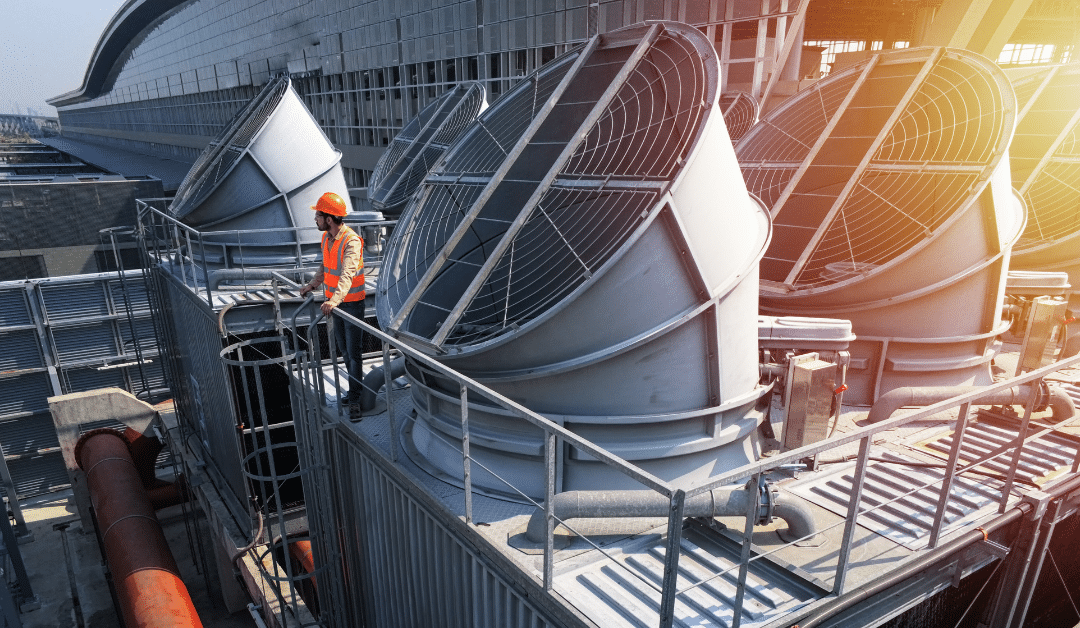
Commercial HVAC systems may include rooftop units, chillers, boilers, cooling towers, variable air volume systems, and large scale duct networks. They often serve dozens or hundreds of occupants and must maintain consistent temperatures across multiple zones.
A commercial hvac contractor typically works with:
- Office buildings
- Retail stores and shopping centers
- Warehouses and manufacturing facilities
- Medical and healthcare buildings
- Schools and educational facilities
- Restaurants and hospitality spaces
Because commercial systems support business operations, downtime can be costly. That is why commercial HVAC work emphasizes reliability, compliance, and preventative maintenance.
System Size and Complexity
One of the biggest differences between residential and commercial HVAC work is system size. Residential units are relatively compact and straightforward, while commercial systems can span entire rooftops or mechanical rooms.
A commercial hvac contractor must understand how to design, install, and service systems that handle:
- Large square footage
- Multiple floors and zones
- Variable occupancy levels
- Specialized ventilation needs
Commercial systems require detailed load calculations and airflow balancing to ensure comfort across different spaces. This level of complexity is beyond the scope of most residential HVAC companies.
Installation and Design Differences
Residential HVAC installations usually follow standard layouts based on home size and structure. Commercial installations, however, are custom engineered to meet the specific needs of the building.
A commercial hvac contractor works closely with architects, engineers, and building owners to design systems that align with building codes, energy efficiency goals, and usage patterns. This may include zoning controls, redundancy planning, and integration with building automation systems.
Commercial installations also require careful scheduling to minimize disruption to business operations. Many projects are completed during off hours or in phases to keep facilities running smoothly.
Maintenance Requirements
Maintenance is important for all HVAC systems, but commercial maintenance is far more involved. Residential systems may need one or two tune ups per year. Commercial systems often require scheduled inspections throughout the year.
A commercial hvac contractor provides preventative maintenance programs that include detailed inspections, performance testing, and documentation. These programs help identify small issues before they turn into costly failures that disrupt business operations.
Commercial maintenance often covers:
- Electrical and control system testing
- Airflow measurement and balancing
- Refrigerant pressure analysis
- Motor and belt inspections
- Safety and code compliance checks
Without regular maintenance, commercial systems lose efficiency and become more prone to breakdowns.
Energy Efficiency and Cost Control
Energy costs represent a major expense for commercial properties. A commercial hvac contractor plays a critical role in helping businesses manage energy usage and reduce operating costs.
Commercial systems are designed with efficiency strategies such as zoning, variable speed components, and demand control ventilation. A commercial hvac contractor understands how to optimize these features to reduce energy waste without sacrificing comfort.
Residential HVAC companies may focus on efficiency within a home, but commercial systems require advanced energy management strategies that consider occupancy schedules, weather patterns, and building usage.
Safety and Regulatory Compliance
Commercial buildings are subject to stricter safety and regulatory standards than residential properties. HVAC systems must comply with local building codes, fire safety regulations, and environmental requirements.
A commercial hvac contractor is trained to ensure systems meet all applicable codes and standards. This includes proper ventilation rates, exhaust systems, and safety controls that protect occupants and employees.
Failure to comply with regulations can result in fines, shutdowns, or liability risks. That is why commercial HVAC work requires specialized knowledge and documentation.
Emergency Response and Downtime Prevention
When a residential HVAC system fails, it is inconvenient. When a commercial system fails, it can shut down an entire business. Lost productivity, uncomfortable employees, and unhappy customers all result from HVAC downtime.
A commercial hvac contractor understands the urgency of commercial repairs and often provides priority service or emergency response options. They also focus on preventative strategies that reduce the risk of sudden failures.
Commercial systems are often designed with redundancy or backup components to ensure continued operation during repairs. Residential systems rarely require this level of planning.
Tools, Equipment, and Training
The tools and equipment used in commercial HVAC work are significantly different from those used in residential service. Commercial systems require specialized diagnostic tools, lifting equipment, and testing instruments.
A commercial hvac contractor invests in ongoing training to stay current with evolving technologies, refrigerants, and control systems. This expertise allows them to work safely and effectively on large scale equipment.
Residential HVAC companies typically do not carry the equipment or certifications required for commercial work.
Cost Structure and Project Scope
Residential HVAC projects are usually quoted as single jobs with straightforward pricing. Commercial projects involve detailed proposals, timelines, and long term service planning.
A commercial hvac contractor provides cost estimates that account for system size, building layout, energy efficiency goals, and maintenance requirements. These projects often involve multiple phases and long term service agreements.
While commercial HVAC services may cost more upfront, they are designed to deliver long term value, reliability, and lower operating costs.
Communication and Reporting
Commercial HVAC work requires detailed communication and documentation. Property managers and business owners need clear reports, maintenance logs, and compliance records.
A commercial hvac contractor provides documentation that supports inspections, audits, and budgeting. This level of reporting is rarely required for residential systems.
When You Need a Commercial HVAC Contractor
Hiring a residential HVAC company for a commercial building can lead to poor performance, code violations, and increased costs. A commercial hvac contractor should be used whenever the building involves:
- Multiple zones or floors
- Large occupancy levels
- Rooftop or industrial equipment
- Regulatory compliance requirements
- Ongoing maintenance needs
Why Commercial Expertise Matters
Commercial HVAC systems are critical infrastructure for businesses. Comfort affects employee productivity, customer satisfaction, and equipment performance. A commercial hvac contractor understands how these systems impact daily operations and long term success.
From design and installation to maintenance and emergency response, commercial expertise ensures your HVAC system supports your business rather than becoming a liability.
Contact Us
The difference between a commercial hvac contractor and a residential HVAC company goes far beyond system size. Commercial HVAC work requires specialized training, advanced equipment, regulatory knowledge, and a focus on reliability and efficiency.
For businesses, choosing the right HVAC partner is not just about fixing problems. It is about protecting operations, controlling costs, and ensuring a comfortable environment year round.
Contact M&M Mechanical today to schedule your HVAC maintenance or filter replacement and experience the difference professional care makes.
Stay up to date with the latest at M&M Mechanical by liking us on Facebook.